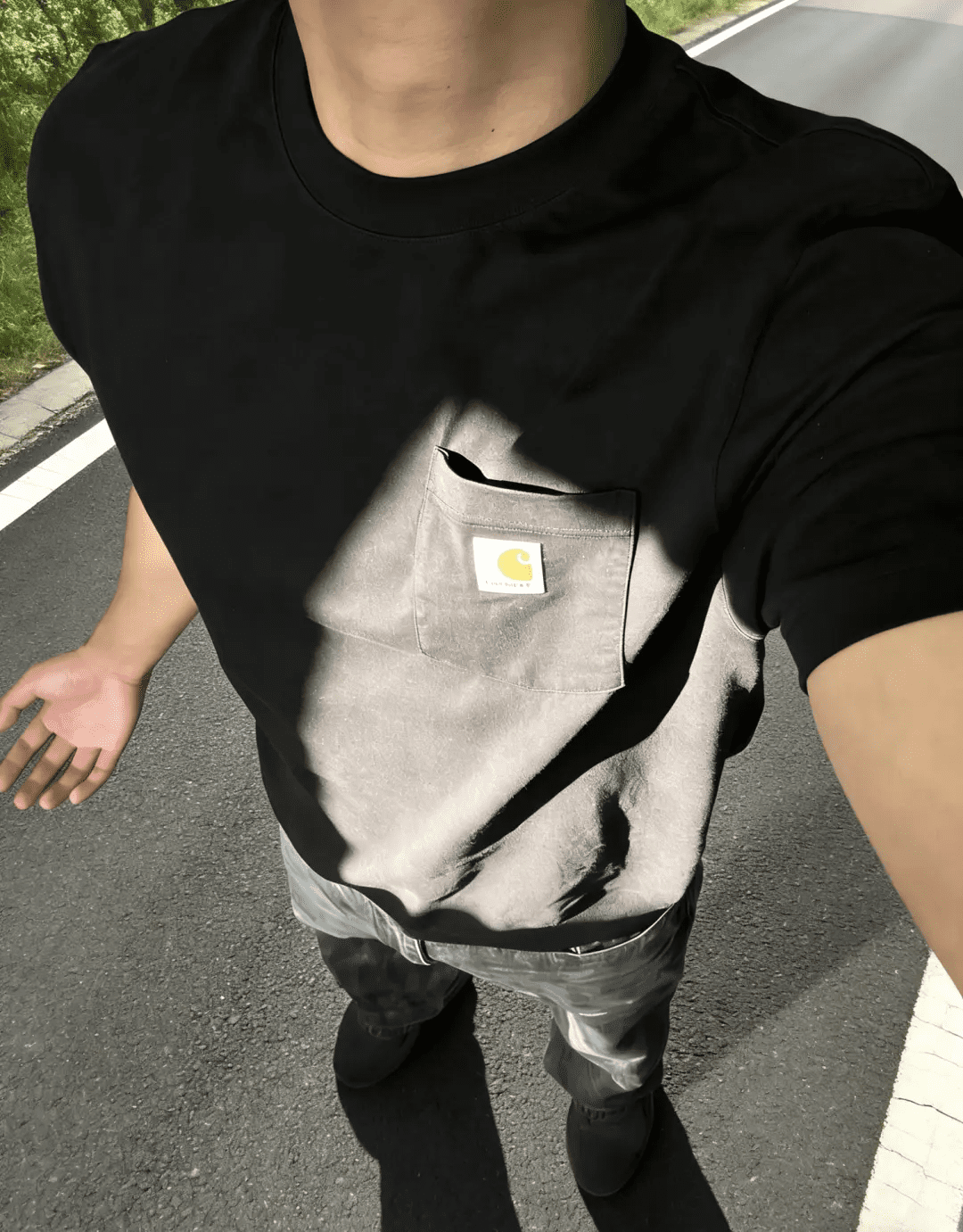
Carhartt T-shirts Unboxing Review
To be honest, the only reason I’m still putting in the effort to write a Carhartt (let’s just call it “Kaha-te” or WIP) unboxing in 2026 is that I’m genuinely fed up with the absolute garbage being peddled as “original factory stock.” The whole point of Carhartt is that rugged, heavy-duty “skeletal feel.” If you buy one and it arrives as soft and limp as a grandpa’s undershirt, you might as well go to a street stall and buy those three-for-ten-dollars tank tops 🙄.
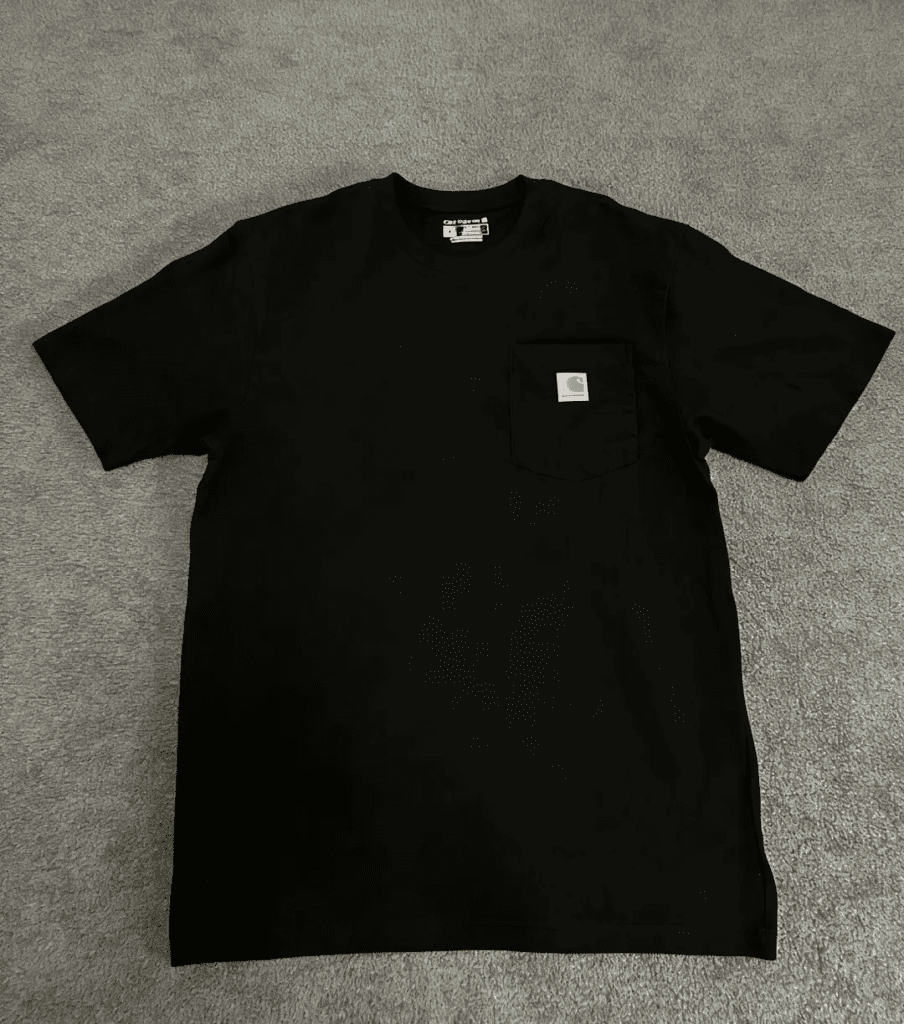
I just received a few Carhartt short-sleeve T-shirts through an Agent today. The moment I tore open the package, that sheer heft of the fabric did not disappoint this old-timer. Let’s cut through the marketing fluff and dissect whether this “Master Batch” actually holds its own.
When it Comes to Fabric, Heavyweight is the Only Truth
Most people buy Carhartt specifically for that stiff, sturdy vibe. With a so-called “Master Batch,” the first thing you notice when you pick it up is the heft.
Low-end budget batches use thin 8-10oz cotton to cut costs. They feel mushy to the touch, and after two wears, the neckline stretches out so wide you could fit two heads through it—it basically turns into a deep V-neck 😭. But this Master Batch uses legitimate, heavyweight ring-spun cotton with an extremely high GSM (grams per square meter). If you hold the shirt up vertically, it doesn’t flutter like silk; it has physical structural integrity. This “skeletal structure” is the soul of workwear. On the body, it perfectly masks that stubborn belly fat you can’t get rid of. Honestly, if you know, you know.
The “Black Magic” of Vintage Washing
In 2026, the most competitive part of the rep scene is this Vintage washing. Many small factories think “washing” just means spraying bleach everywhere, resulting in a shirt that looks like it was dragged through a swamp and never properly cleaned.
| Assessment Dimension | Master Batch | Budget Batch | Player’s Real-World Metrics |
| Fabric Weight | 12oz+ heavy-duty hand feel; extreme drape | ~8oz; thin, easily wrinkled; zero texture | Actual garment weight & stiffness |
| Vintage Washing | Rich layers of color; natural fading at the seams | Dull tones; wash marks look like old stains | Naturalness of fading |
| Embroidered Logo | Extremely tight stitching; correct ‘C’ proportions; no connecting threads | Loose stitching; deformed lines; even skipped stitches | Logo fullness & edge sharpness |
| Triple-Needle Stitching | Rugged & bold; reinforced at stress points | Thin lines; no reinforcement; easy to unravel | Iconic triple-stitch workwear build |
Top-tier washing is incredibly layered, especially at the seams (what we call the “bone positions”). You get that natural, time-worn abrasion and fading. This effect is achieved through stone-washing processes that gradually wear down the surface, resulting in a soft color tone without that harsh chemical look.
The Embroidered Logo: Don’t Wipe Out on the Details
That iconic “C” logo is a goldmine for authenticators. The embroidery on most trash-tier batches looks okay from a distance, but up close, it’s a total disaster.
The embroidery on a Master Batch is incredibly dense. Every stitch is packed tight, and you will absolutely never see those cheap-looking connecting threads between letters. The proportions of the “C” are so rounded and perfect it’s practically therapeutic. The edge sharpness is elite. In contrast, budget logos look like crumpled-up paper balls—loose, messy, and sometimes even showing ghosting. Honestly, wearing something like that is worse than just going shirtless 🤷♂️.
Stitching: The Last Line of Defense for Workwear
The reason Carhartt is so durable is that triple-needle chain stitching. It’s not there for aesthetics; it’s there to make sure the shirt doesn’t rip apart when you’re actually doing manual labor.
I checked the seams under the armpits and along the sides. The Master Batch stitching is bold and powerful, with every needle biting deep into the fabric. Even if you pull it hard, you can feel the structural stability. Budget versions have stitching as thin as a strand of hair, with zero reinforcement at critical stress points. Wear that to the gym for one squat session, and you’ll likely hear the fabric screaming for mercy 🙄.
Real Talk from a Grumpy Veteran
Honestly, never go cheap on Carhartt reps. The design itself has a low barrier to entry; what you’re paying for is the fabric and the fit. If you spend $10 on a shirt, the only thing real about it is the logo—everything else is a lie.
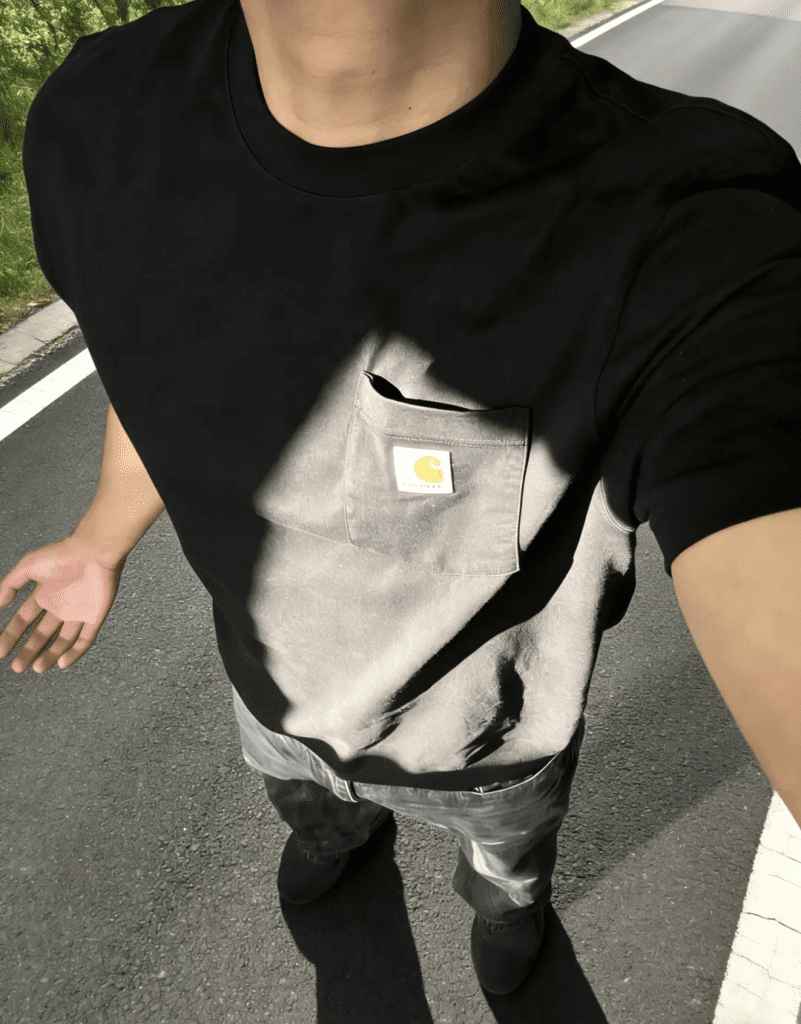
The thing that satisfied me most was how well they corrected the fit. Many old versions were either as big as a potato sack or as short as a crop top. This batch nailed the shoulder-to-armhole ratio. That OG boxy silhouette and the structured drape on the body are just… chef’s kiss.
One last piece of advice: when you get these heavyweight T-shirts home, do NOT blast them in the dryer, or the shrinkage will have you questioning your life choices. Let them air dry naturally. That “lived-in” fading that gets better with every wear is the ultimate romance for a workwear enthusiast 🥂.
If you’re still torn on which batch to pick, take my advice: stick to the big-name factories and just go for it. Don’t listen to WeChat sellers bragging about “exclusive stock.” In this information-transparent era of 2026, good quality speaks for itself. It might not feel like you’re “walking on clouds,” but for that grounded, steady sense of reliability, Carhartt delivers. If anyone still says you look like a plumber in Carhartt, just shove this review in their face. This is called “hardcore,” this is called “attitude”—got it? 😅